AI Concepts
Core concepts that power artificial intelligence
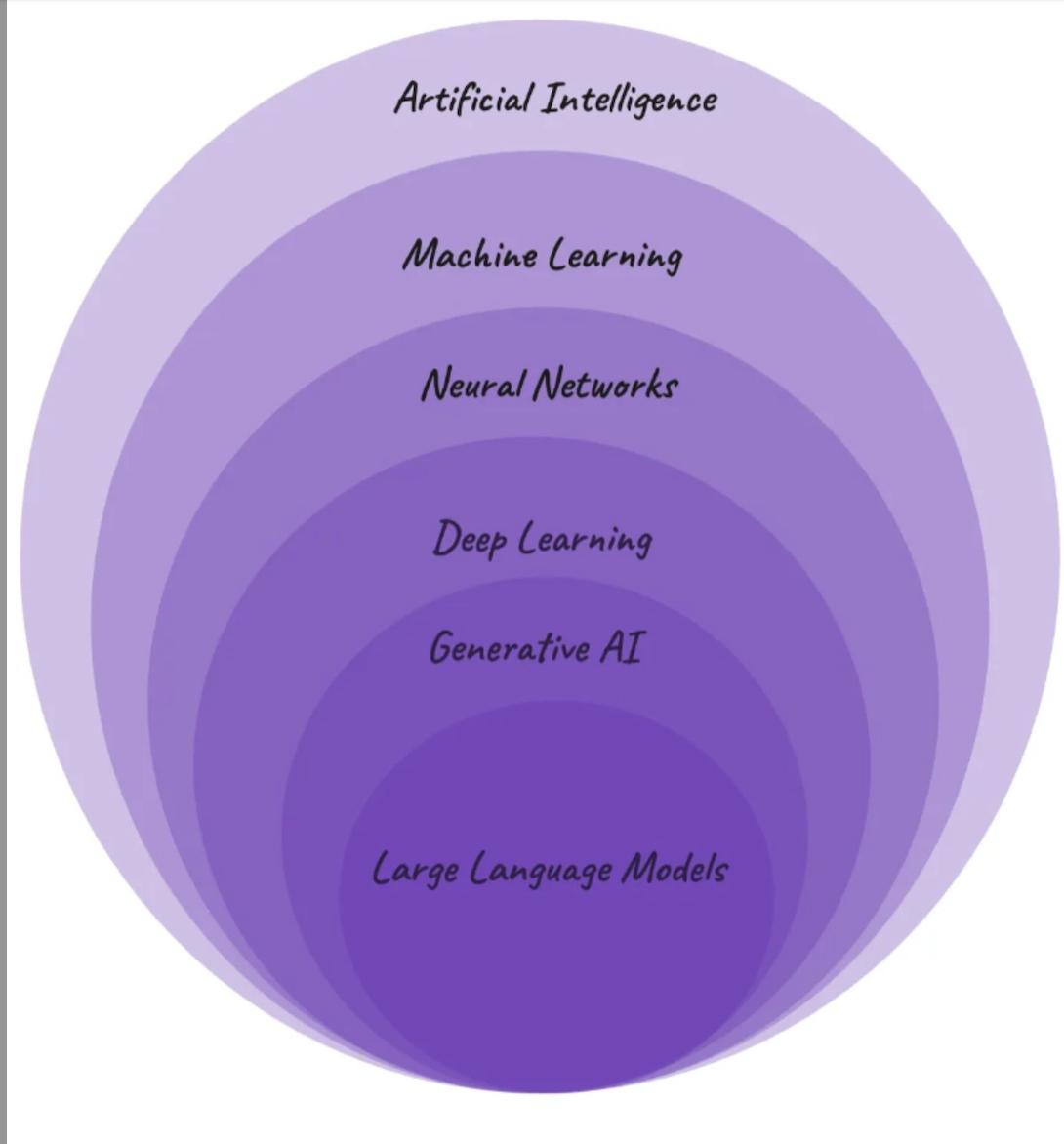

What is Artificial Intelligence?
Artificial Intelligence refers to the simulation of human intelligence in machines that are programmed to think and learn like humans. The term was first coined in 1956 at Dartmouth College.
Key Concepts We Explored
Machine Learning
A subset of AI that allows computers to learn from examples instead of exact rules.
Real-world example: Systems like Netflix learn from your behavior and data to recognize patterns and predict what you'd like, such as recommending movies or shows it thinks you will like best.
Neural Networks
Computing systems inspired by the brain, designed to recognize patterns and solve complex problems. It consists of interconnected unites called neurons (nodes) that process the information and learn patterns from the data.
Real-world example: Google Photos recognizes faces by learning patterns in images, allowing it to identify and group the same person across different pictures.
Large Language Models (LLMs)
Advanced AI systems that are trained on massive amounts of text data to understand, generate, and interact using human language.
Real-world example: Chat GPT, Gemini, Claude, and Mistral are just some of the most commonly known LLM's.
Generative AI
Type of AI system that can create new content, such as text, images, music, or code, based on patterns it has learned from existing data.
Real-world example: An AI image generator creates original images from a text prompt by learning patterns from existing pictures and generating something entirely new.
Topic Modeling
A text analysis technique that analyzes a large set of texts and groups words into topics based on how often they appear together. It helps identify themes and patterns across large number of documents.
Real-world example: Google News automatically groups thousands of articles into topics like politics or sports by identifying patterns in the words used across them.